In 1971, Stuart Roosa tucked hundreds of seeds into a small canister and carried them to lunar orbit. He chose five species — loblolly pine, sycamore, sweetgum, redwood, and Douglas fir. In 2022, Artemis I carried a new generation of seeds back out. One species was added: the giant sequoia. These are the trees. Some are thriving. Some are missing. Some are gone. Here's what we know about each one.
Click a Tree to Learn
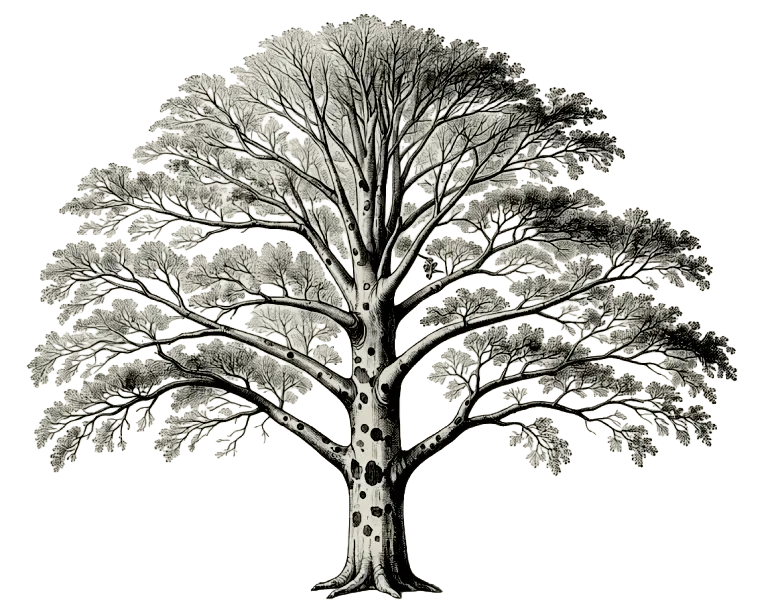
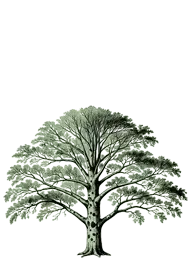
Platanus occidentalis
The most widely distributed of all the Moon Trees. Sycamores went everywhere: Girl Scout camps, elementary schools, botanical gardens, amusement parks, and statehouse grounds. They're the tree most likely to be within driving distance of where you are right now. They're also the tree most often unmarked, unmapped, and unknown to the people who walk past them every day.
View on Map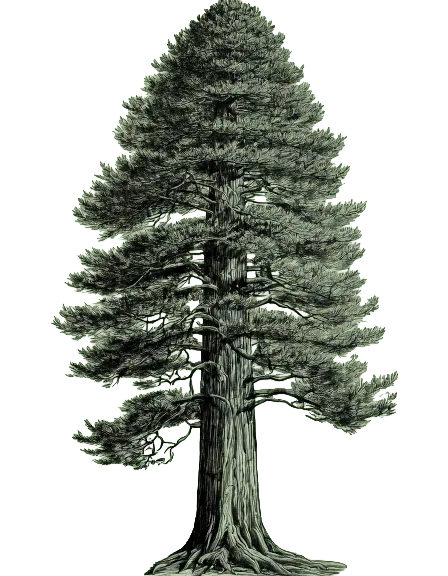
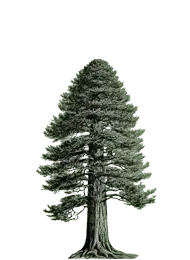
Sequoia sempervirens
Germinated at the Forest Service's western station in Placerville, California, the redwoods went to the West Coast: Humboldt State University, Tilden Nature Area, Monterey, Sacramento, San Luis Obispo. Redwoods planted in Brazil in the early 1980s are among the few confirmed international survivors. These are trees that were already built to outlast everything. They may yet outlast the records.
View on Map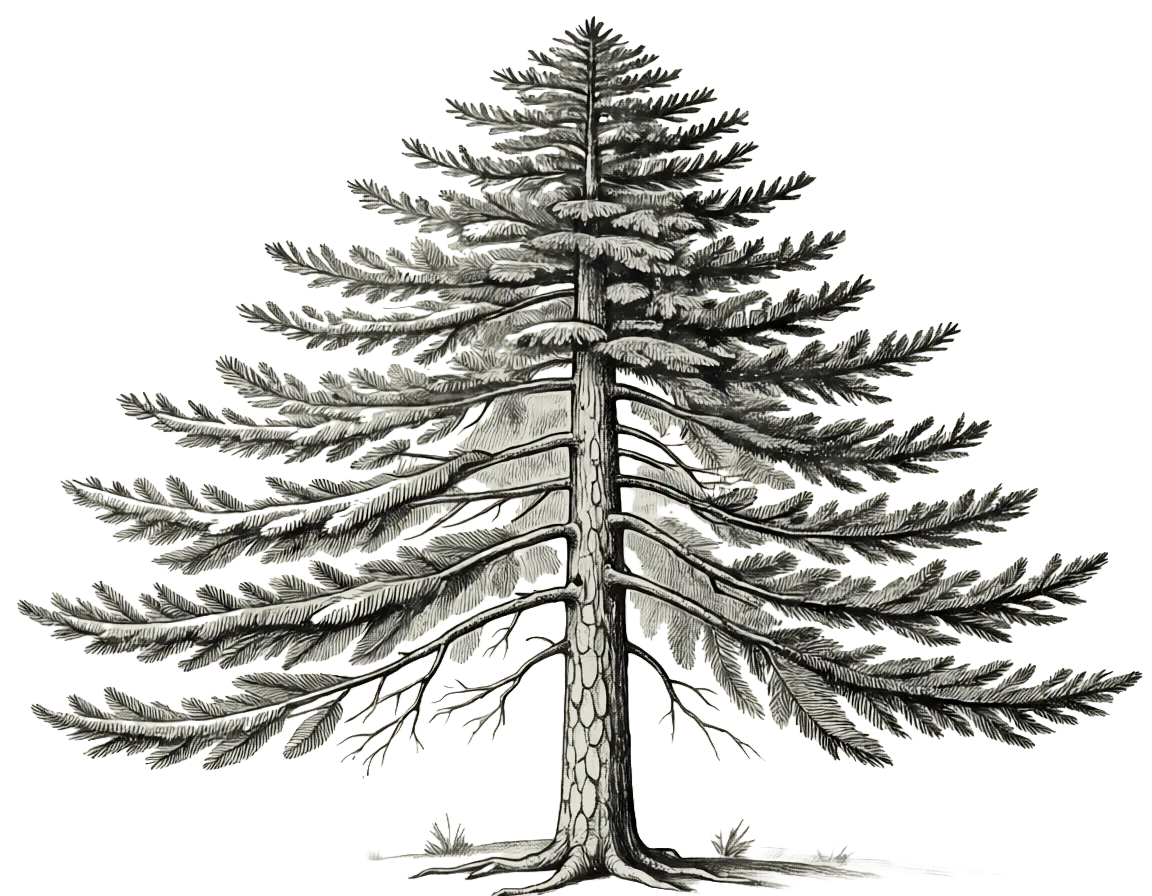
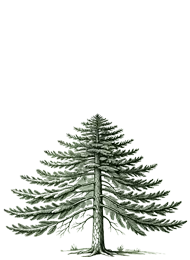
Pseudotsuga menziesii
Like the redwood, the Douglas fir was germinated in Placerville and distributed across the Pacific Northwest and Mountain West: Oregon state buildings, universities in Corvallis and Eugene, and the New Mexico State Capitol. Several are confirmed gone. Several others are listed as unknown. The ones that remain tend to be quietly spectacular.
View on Map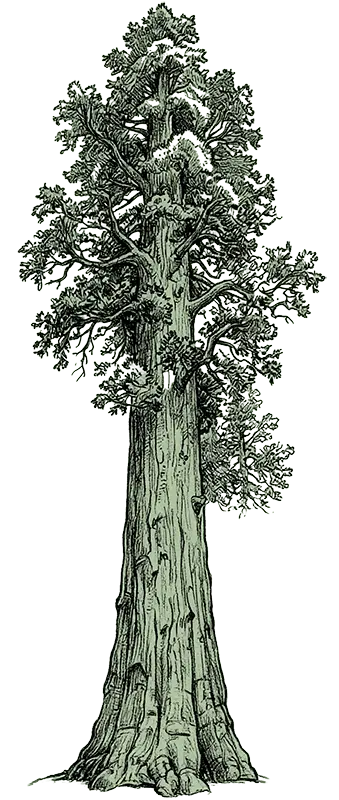
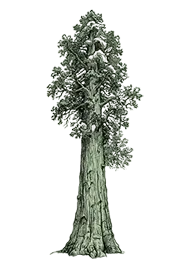
Sequoiadendron giganteum
The one swap from Apollo 14. Coast redwood flew in 1971. For Artemis I, the Forest Service chose its cousin instead, better suited to planting sites across the lower 48. Seeds were collected from McKinley Grove in Sierra National Forest and traveled 1.4 million miles aboard Orion. Scientists checked them afterward to see if the journey had changed them. It hadn't. These are among the youngest Moon Trees in the registry, and almost certainly the ones that will outlast everything else on this map.
View on Map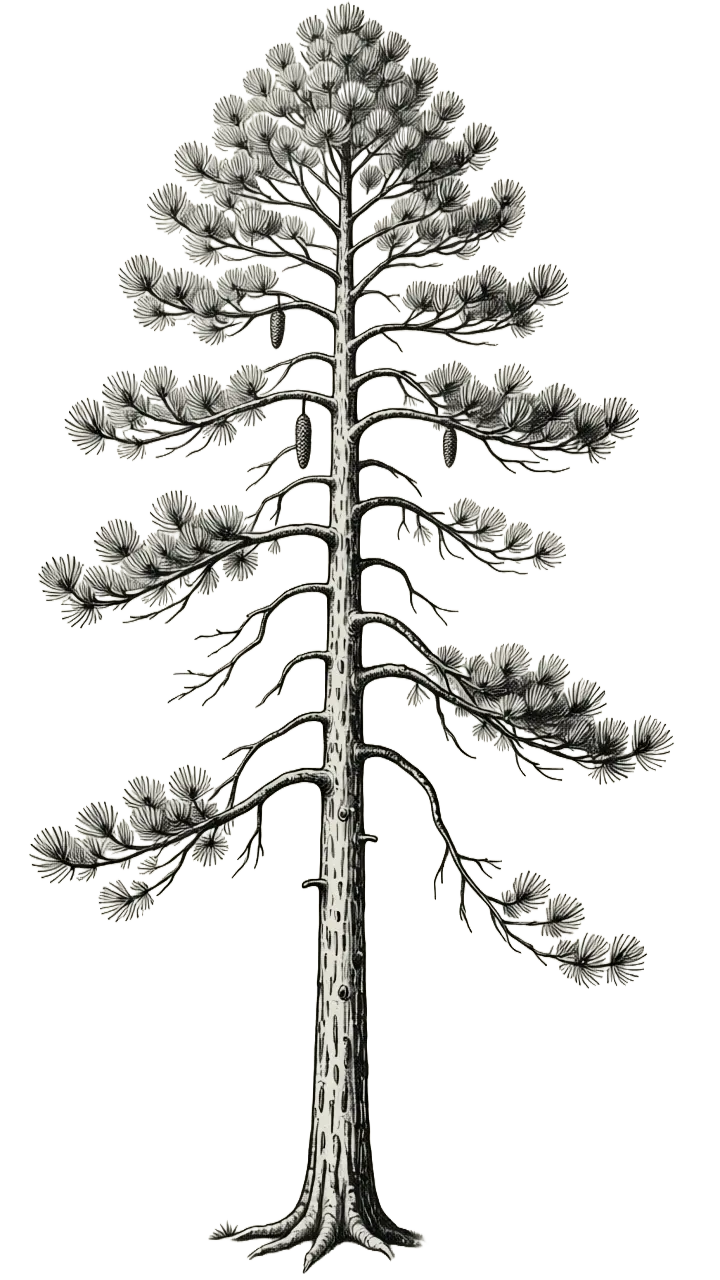
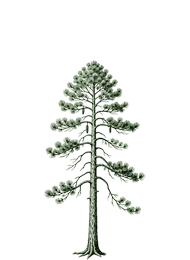
Pinus taeda
A fast grower native to the American South, the loblolly was one of Roosa's original five. Germinated at a Forest Service station in Gulfport, Mississippi, these trees went mostly to Southern states — planted at state capitols, courthouses, universities, and VA hospitals across Alabama, Arkansas, Florida, Georgia, Louisiana, and Tennessee. A loblolly once stood at the White House. It no longer does.
View on Map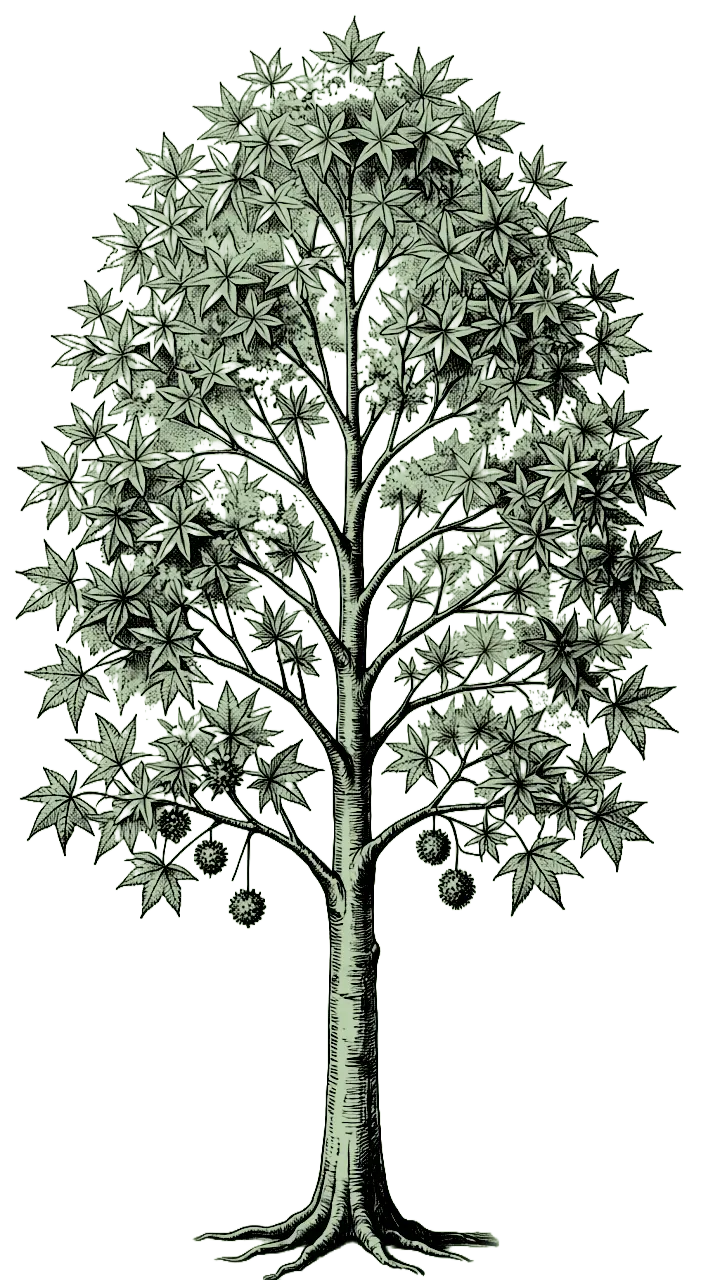
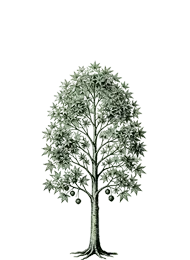
Liquidambar styraciflua
Fewer sweetgums were distributed than any other species, making confirmed trees rare. Known plantings include a park in Loudoun County, Virginia, and sites in Brazil and Indiana — though some of those locations are now uncertain. If you know of a sweetgum Moon Tree, we want to hear from you.
View on Map